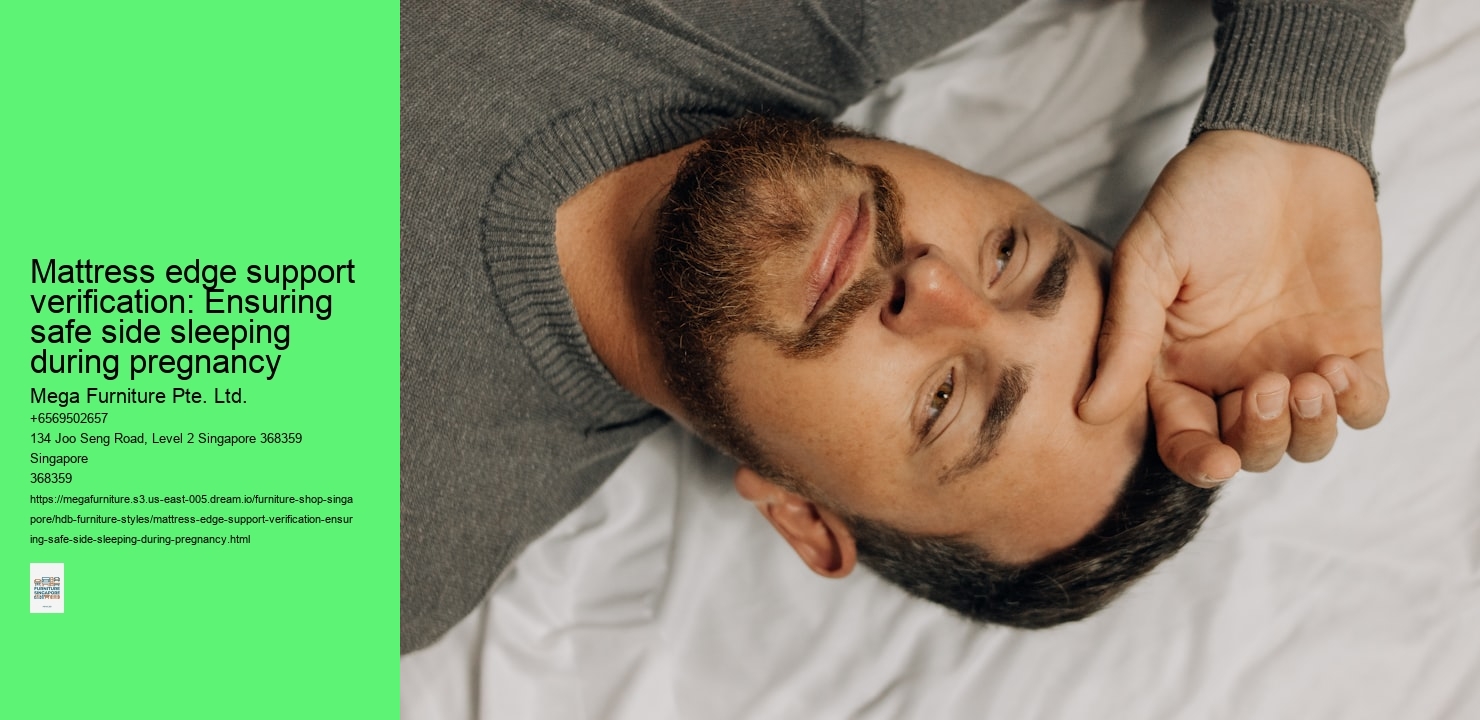
Picture the last few weeks of pregnancy, when even rolling over feels like a major undertaking. You're sleeping on your left side as advised, and in the quiet dark of a 12 sqm master bedroom, you need to get up for the third time that night. Your hand instinctively reaches for the bedside table, but the mattress edge gives way like wet sand. Instead of a solid push-off point, you're fumbling, sinking, and suddenly that short distance to the floor feels a lot more precarious.
This is the hidden compromise of a mattress built only for softness. For side sleepers, especially during pregnancy, that plush top layer is essential to cradle the hips and shoulders. But if the perimeter collapses under minimal pressure, you've traded one problem for another. The support system—those coils or high-density foam rails around the edge—is what turns a sleeping surface into a functional piece of furniture. In our compact bedrooms, where the bed often sits flush against a wall or a nightstand is within arm's reach, a weak edge doesn't just ruin the look; it actively makes daily life harder and less safe.
You'll notice it in a dozen small moments. Sitting on the side to pull on socks, the mattress buckling beneath you. That slight panic when you shift too close to the edge in your sleep. It's a design flaw that becomes painfully obvious only after you've lived with it, long after the showroom test lie-down. A proper edge should feel like the foundation of the bed, not an afterthought.
So, what's the one case where you might tolerate a softer edge? If you're a solo sleeper in a spacious room, with clear access from both sides, and you never use the bed as a seating perch. For everyone else—couples, parents, anyone in a typical HDB layout—compromising on edge support is a recipe for nightly frustration. A mattress that lets you sink in comfort but also holds you securely at the sides? That's the balance worth hunting for.
A mattress with a soft perimeter is a common flaw that many buyers don’t test properly until they’ve slept on it for weeks. You’ll notice it first when sitting on the edge to put on socks, but the real issue unfolds when you’re lying down. For a side sleeper, especially one who favours the left side, a collapsing edge doesn’t just feel unstable—it actively pulls your body toward the centre of the bed. That subtle inward drift is enough to twist your spine out of its natural line, and you’ll wake up with that familiar ache in the shoulder or hip.
Consider the advised sleeping position during pregnancy, which is left-side to aid circulation. If the mattress edge caves, you can’t maintain that position securely. You’ll find yourself unconsciously rolling toward the middle to escape the slump, defeating the whole purpose. It’s not just about comfort; it’s about a structural failure that undermines a specific health recommendation. That’s why judging edge support isn’t about a luxury feel—it’s a functional necessity for anyone who sleeps near the perimeter.
A proper edge should feel like a firm ledge, not a gradual slope. In a typical Queen size bed, you need that full 152cm width to be usable, not just the central zone. Many mattresses achieve their medium-soft comfort for side sleepers through thicker top layers, but if the underlying support structure at the sides is weak, those comfort layers just sag over time. The only time this might be acceptable is if you sleep alone and strictly in the centre, but even then, sitting on the edge to get up will feel precarious.
So when you’re testing in a showroom, don’t just lie in the middle. Plant yourself near the side, where you’d actually sleep, and stay there for a minute. Feel whether the surface holds you level or lets you tilt inward. For side sleepers in Singapore’s common 4-room BTO layouts, where the bed often sits flush against a wall, that perimeter is your primary sleeping territory—it cannot fail you. A mattress that passes this test is one that truly supports the position, not just the posture.
That sinking feeling when you sit on the edge of the bed to put on your slippers is a classic sign of perimeter failure. For side sleepers, especially those managing shoulder pain, this isn't just an inconvenience—it's a nightly compromise that forces you to sleep in the centre, limiting usable surface area on a standard Queen. The culprit is often a flimsy encasement material that can't handle concentrated weight, causing the entire mattress structure to compress unevenly. You'll find yourself rolling towards the middle during the night, disrupting that crucial spinal alignment you chose a pressure-relieving mattress for in the first place. A weak edge fundamentally undermines the bed's design, turning a third of your sleep surface into a no-go zone.
High-density foam encasement is the gold standard for a rigid perimeter, acting like a reinforced wall around the softer comfort layers. This isn't the same foam used for cushioning; it's a much firmer, more resilient material specifically engineered to resist compression under load. When you sit or sleep near the edge, this dense foam provides a solid platform that prevents the feeling of rolling off. It integrates directly with the core support system, whether that's a pocketed coil unit or a high-resilience foam base, creating a unified and stable sleeping surface from centre to edge. Without this dedicated structural component, even the best comfort layers will eventually sag and fail at the perimeter.
Standard border coils, those simple springs running around the mattress edge, are a common cost-cutting measure that often disappoints. They lack the lateral rigidity of a proper foam encasement, leading to that familiar hammock effect where the middle feels supportive but the edges feel soft and unstable. Over time, these coils can permanently deform, creating a permanent dip that makes getting in and out of bed a chore. For a side sleeper who needs every centimetre of that 152 by 190cm Queen surface, a perimeter built on coils alone is a compromise that will show its weakness within the first year. The reinforced edge support you need simply isn't there.
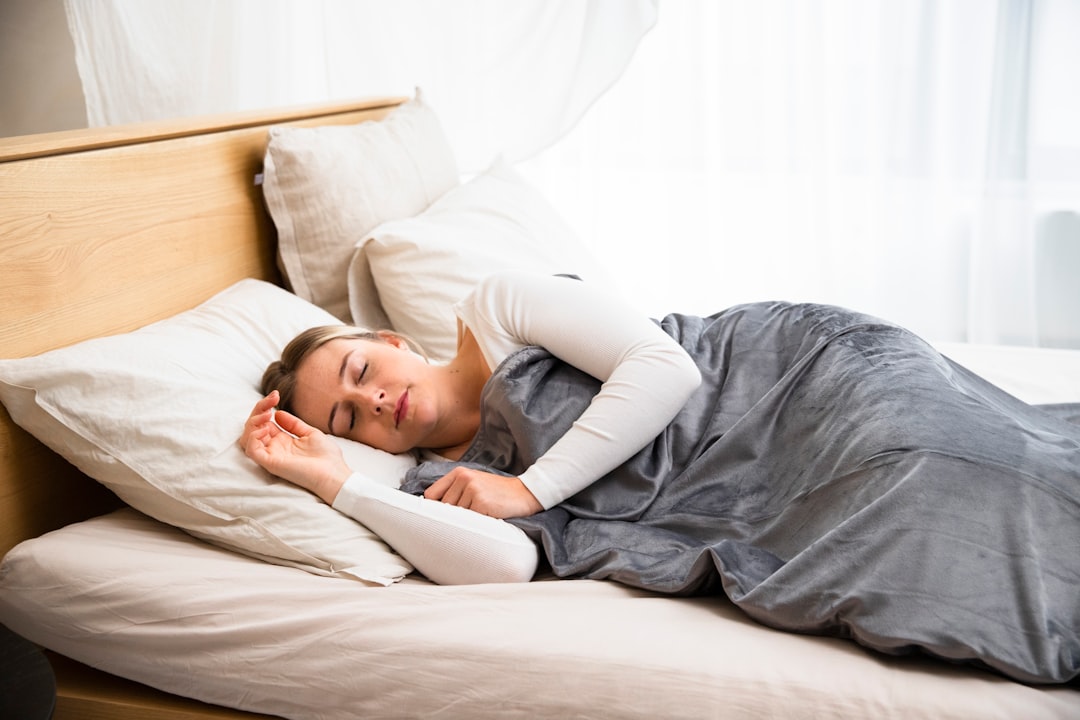
A thick memory foam comfort layer, while excellent for pressure relief, actually increases the demand for a sturdy perimeter. That plush, contouring material needs a firm foundation to push against; otherwise, your shoulder and hip will sink straight through to the weaker edge structure below. This pairing is non-negotiable: the softer the top, the harder the sides must be to contain it and maintain proper alignment. Think of it like a soft-centred cake needing a firm tin—without that rigid boundary, everything collapses. For pregnant women advised to sleep on their left side, this stability is critical for safe, comfortable positioning throughout the night.
The real magic happens in how the edge reinforcement is bonded to the core. A poorly integrated edge will create a noticeable seam or ridge, a hard line you can feel beneath the comfort layers. Quality construction involves laminating the high-density foam wall directly to the support core and ensuring the comfort layers flow smoothly over the top, creating one seamless sleeping plane. This integration prevents the "roll-off" cliff and ensures the transition from centre to edge is gradual and supportive. It's a detail you must check by sitting firmly on the corner in a showroom—if you feel a distinct drop or a hard border, the integration isn't done right one.
You can’t tell a mattress’s true story from a spec sheet or a product page. The real test happens at the perimeter, where a soft top meets its structural limits. For side sleepers, especially those navigating pregnancy or shoulder pain, that edge is a nightly point of contact—the place you lever yourself up from or sink into as you settle. A weak edge doesn’t just sag; it actively undermines the support your hips and shoulders need, turning what should be a stable platform into a frustrating slope.
That’s why the showroom visit isn’t a casual browse; it’s a functional audit. Don’t just perch politely on the corner. Sit squarely on the edge, as you would to pull on socks or soothe a child. Then, shift your weight sideways and lean into it, applying the kind of pressure your body exerts over months of nightly use. A quality edge should hold firm, offering a consistent feel right to the border. You’re looking for resistance, not a sudden collapse that leaves you feeling like you’re about to slide off. This simple, physical check reveals more about long-term durability than any list of foam densities.
Some might argue a plush mattress doesn’t need rigid edges, but for a side sleeper in a Queen-sized HDB bedroom, every centimetre counts. A collapsing edge effectively shrinks your usable sleep surface, pushing you toward the centre and disrupting alignment. Over time, that compromised zone is where premature sagging often starts, long before the middle of the bed shows wear. The exception? If you’re a solo sleeter in a Super Single and you never use the edge for sitting or sleeping, then maybe it’s a compromise you can live with. For everyone else, especially couples or anyone with mobility considerations, it’s a non-negotiable.

So go ahead, press down firmly. A mattress that passes this test demonstrates a unified construction—it’s built to last, not just to feel good for a five-minute lie-down. That confidence is what you’re really taking home.
In a 4-room BTO, your Queen bed isn't just for sleeping—it's also the only place to sit while folding laundry or scrolling through your phone. That's where the compromise hits hardest. A mattress that cradles your shoulders and hips beautifully, the kind you need as a side sleeper, tends to be softer around the edges. You'll sink right down when you perch on the side to put on your socks, feeling the frame dig into your thigh. It's a trade-off that becomes obvious every morning.
The ideal side-sleeping mattress has thicker, softer comfort layers—memory foam or latex that lets your shoulder sink in without pressure. But those materials don't provide the same inherent rigidity as a firm polyfoam core. So while the centre of the bed feels perfectly supportive for your spine, the perimeter can lack that solid sitting platform. In a room where floor space is tight, you lose a functional seat if the edge collapses under you. It's not just about comfort; it's about losing usable square footage.
There's a straightforward solution, though. Look for a design that combines a plush top with a reinforced edge. Some mattresses use a firmer foam border or a denser foam encasement around the softer comfort layers. This creates a stable sitting ledge without sacrificing the pressure relief in the middle. You want a bed where you can sit comfortably along the entire perimeter, not just at the head or foot. That stability matters when you're reaching for something on the floor or helping a toddler climb up.
I'd say a mattress with compromised edge support isn't worth it for most HDB flats. The exception? If your bedroom layout leaves ample space for a proper chair or bench, then you might prioritise pure pressure relief over edge integrity. But for the typical master bedroom, where the bed dominates the room, you need both. Don't settle for a mattress that forces you to choose between a good night's sleep and a functional piece of furniture—find one that delivers on both counts.
You’ve narrowed it down, spent half an hour lying on it, and the salesperson is ready to write up the order. That’s the moment to hold your hand up and run the final three checks—because a mattress that’s perfect in the showroom can still be wrong for your flat and your body.
First, edge support. For side sleepers, especially later in pregnancy when getting up requires a firm edge to push against, a mattress that collapses when you sit on the perimeter is a hazard. Don’t just press the centre; sit squarely on the side, as you would when getting out of bed, and feel how much it sinks. A good edge should hold you, not let you slide off. If it feels like you’re perched on a soft cliff, that model isn’t the one.
Second, clearance. A Queen mattress fits most HDB master bedrooms, but the journey from the showroom to your room is the real test. Measure your bedroom door width—internal doors are usually the tightest point. Then consider the lift door, which is often around 90cm wide. A flexible mattress can bend into that space, but if you’re opting for a rigid, high-profile model, you’ll need to confirm it can actually make the turn into your corridor and through that doorway. There’s no point buying a mattress that kena stuck in the lift lobby.
Finally, firmness under pressure. Side sleeping during pregnancy adds extra weight to shoulders and hips, so the pressure relief needs are higher. That medium-soft feel you liked in the showroom might be perfect for a few minutes, but will it still cradle those points after a full night’s weight? Lie on your left side, the recommended position, and pay attention to whether your hip sinks too deeply, pulling your spine out of line. The ideal feel is contouring without collapse—a balance that maintains alignment while genuinely relieving pressure. If it feels like you’re sinking into a hole, go firmer. The only exception is if you’re naturally a very lightweight sleeper; for most, especially with pregnancy, that medium to medium-firm range is the safer bet.
These checks take five minutes, but they’re what separates a showroom fantasy from a mattress that actually works in your home and for your body. Do them, and you’ll sleep better for years. Skip them, and you’ll regret it the first time you struggle to get out of bed or feel that ache in your shoulder.
Side sleepers here type some very specific worries into their search bars, and the questions tell you exactly what's keeping them up at night. Let's tackle the most common ones.
Can a mattress that's too soft actually cause shoulder numbness for a side sleeper? It can, and it's a classic trap. A mattress that's purely soft without proper support lets your shoulder sink too far, pinching nerves and cutting off circulation. You need that medium-soft to medium feel—soft enough to cradle the shoulder and hip, but with a supportive core that stops you from sinking into a painful hammock shape.
What's the best mattress for pregnancy left-side sleeping in Singapore's climate? The advice is to sleep on your left side for circulation, but that puts immense, sustained pressure on one shoulder and hip. A thicker memory foam or latex comfort layer is key to distribute that weight, but the base foam must be dense and supportive to prevent sagging. And because you're dealing with extra body heat and our humidity, look for a comfort layer with good airflow—a breathable cover and open-cell foam structures help a lot.
How do you test edge support in a showroom when you're a side sleeper? Don't just sit on the edge. Lie down in your normal side-sleeping position and scoot right to the edge, as if you're sharing a Queen bed with a partner or a restless toddler. Stay there for a full minute. Does the edge compress so much you feel like you're going to roll off? That's a fail. Proper edge support means you feel secure, not precarious, using the full sleeping surface.
Is it worth paying more for a mattress with reinforced edges if I'm a side sleeper? For most people in our space-limited flats, absolutely. You use more of the bed's real estate than you think, especially on a 152 by 190cm Queen. The only time you might compromise is if you're a very still sleeper in a King-sized bed, where you're almost never near the edge. But for the rest of us, that firm perimeter is what makes a medium-soft mattress actually work—it gives you a safe zone to sink into without falling out.
Singapore’s humidity—often hovering around 80% or more—doesn’t just make you sticky. It quietly works on your mattress, softening the very edges you rely on for stability. In older resale flats where ventilation isn’t ideal, that damp air lingers, seeping into foam layers and even affecting the metal coils over years. What starts as a firm perimeter to push against slowly becomes less resilient, a gradual softening you might not notice until you’re sitting on the edge every morning or shifting heavily in bed.
For side sleepers, especially pregnant women advised to sleep on the left, that edge support is crucial. You need a stable platform to get up from, and you need the mattress perimeter to hold its shape so your hips and shoulders stay aligned even when you’re near the side. A softened edge lets you roll towards it, compromising that alignment and the pressure relief the softer comfort layers are meant to provide. It’s a slow defeat—the support undermines itself just when your body needs it most.
Foam is particularly vulnerable. The perimeter foam encasements or thicker comfort layers at the edges absorb moisture over time, losing their density and spring. Even in mattresses with coils, the humidity can encourage subtle corrosion in the steel, weakening the structure. This isn’t about a dramatic collapse; it’s a gradual softening that leaves the mattress feeling less supportive along the sides than it did in the showroom. In a well-ventilated condo with air-con running nightly, the effect might be slower. But in a typical older flat where the bedroom air stays still and heavy, the toll accelerates.
You can’t fight the climate, so you choose materials wisely. Look for mattresses that specify high-density foam for edge support, or designs that use a different, more stable material around the perimeter. Some hybrid constructions use a firmer foam or a reinforced border specifically to guard against this softening. It’s a detail many buyers skip over, asking about firmness and pressure relief but not about how the edges will fare after five years of humid nights. That’s the counterintuitive point—the centre might feel fine, but the perimeter quietly gives up.
Queen size mattresses at 152x190cm fit most HDB and BTO master bedrooms comfortably. You must leave about 60cm clearance on the exit side for easy movement and access. Considering the standard HDB door width of roughly 91.5cm, a mattress's packed dimensions are crucial for delivery. This planning prevents access issues with corridor turns or internal doorways.